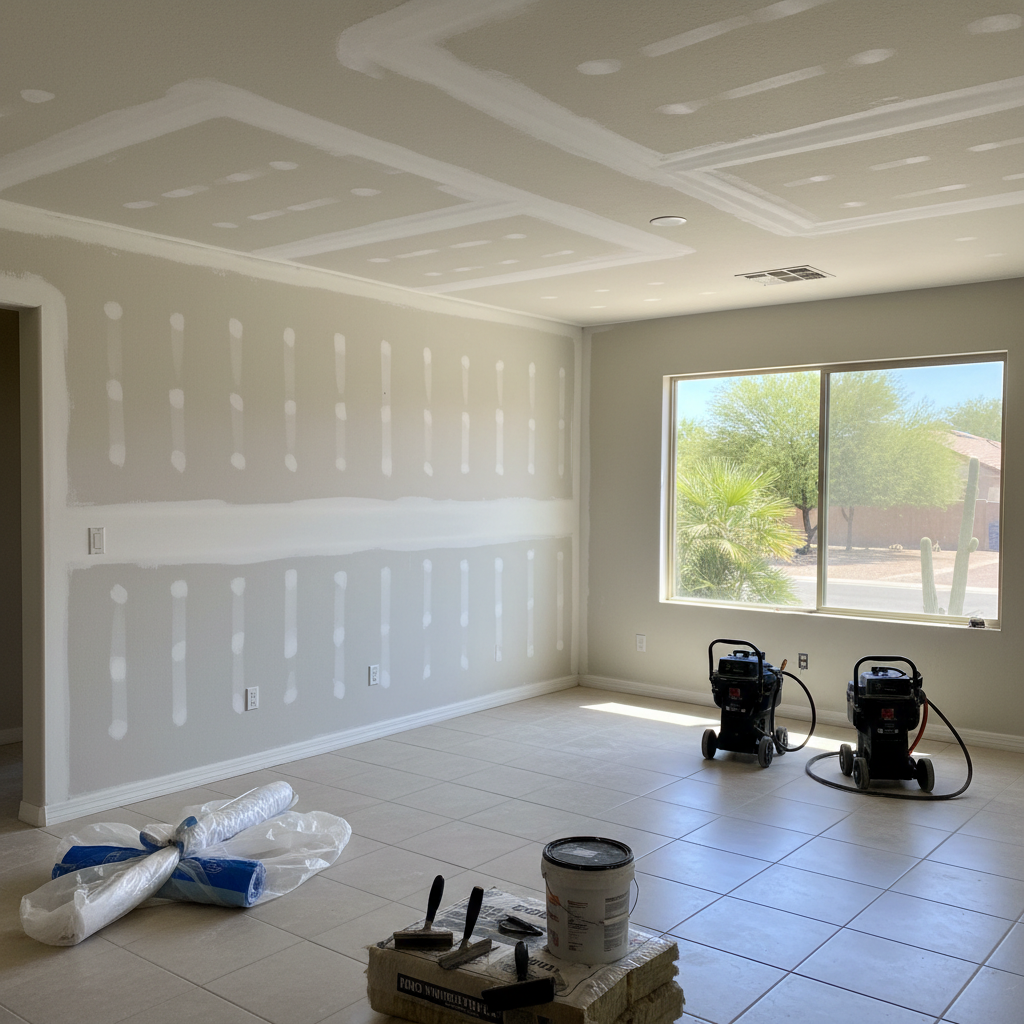
Many homeowners think living in the desert means we do not have to worry about mold or Water Damage Restoration Service. I hear it all the time on jobs across Fountain Hills. You look outside at the sun-baked granite and dry washes, and you assume moisture is not a threat. But here is what I have seen running Valley Restoration Inc: the moment a supply line bursts under a sink or a heavy monsoon storm finds a weak spot in your tile roof, everything changes.
Our local climate plays tricks on us. We get extreme dry heat for most of the year, which bakes building materials and makes them brittle. When a sudden plumbing leak or a torrential summer storm hits our hillside neighborhoods, that dry environment traps humidity inside wall cavities and under flooring before you even realize you have a problem. Mold does not care that it is dry outside. It only cares about the trapped water inside your drywall.
When to Schedule Inspections and Action
Timing is everything when water gets where it should not be. You do not have the luxury of waiting until the weekend to deal with a leak. Mold can start colonizing within twenty-four to forty-eight hours once moisture settles into organic materials like wood framing, paper-backed drywall, and carpet padding. If you have had a pipe leak or a roof issue during a heavy downpour, you need to get the drying process started immediately. At Valley Restoration Inc, we always tell homeowners that waiting a few days to see if an area dries out on its own is a gamble you are almost guaranteed to lose.
You should schedule a professional moisture assessment right after any major weather event that brings roof leaks or when you spot unexplained warping in your baseboards. Catching high humidity levels early saves you from massive reconstruction later.
Weather Conditions That Impact Restoration
People often ask how our local weather affects the actual cleanup work. During the peak of summer, our ambient heat can actually help dry out a structure once industrial-grade air movers and dehumidifiers are set up correctly. However, if a water event happens during the monsoon season when outdoor humidity spikes, drying times stretch out. We have to work harder to exhaust moist air outside and keep indoor humidity locked down.
- Monsoon downpours drive wind-driven rain into vents and flashing
- Extreme temperature swings cause older PVC and copper plumbing to crack
- Sustained high heat can make localized mold spores spread aggressively through HVAC ducts
Protecting Your Investment Year-Round
Protecting your Fountain Hills home comes down to routine maintenance and knowing who to call when things go sideways. Check your washing machine hoses every six months. Keep an eye on your water heater pan for standing moisture. If you notice a musty smell near your AC handler or a subtle discoloration on a ceiling, investigate it right away.
When water damage does strike, dealing with it swiftly keeps your home safe and your repair costs manageable. Stay vigilant, keep an eye on your plumbing, and do not let our desert surroundings give you a false sense of security.